Lived Experience, Lasting Impact
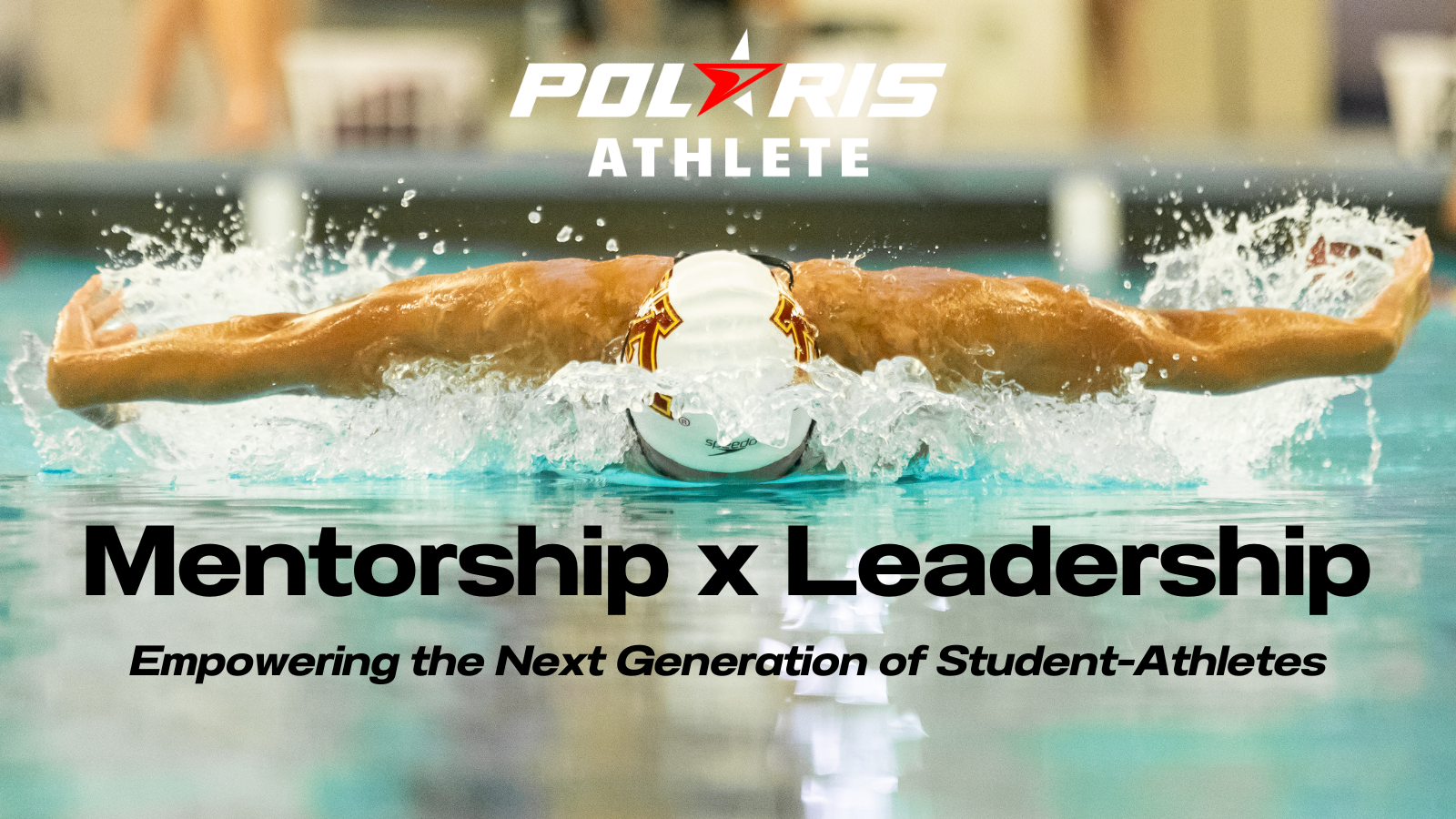
Jayden Edmondson, Polaris Athlete Mentor & University of Minnesota Men’s Swimming & Diving
Over the past several weeks, I’ve had dozens of conversations with current collegiate student-athletes across every level of college sports. Division I, Division II, Division III, and NAIA. Different sports, campuses, and competitive environments, but a shared perspective on what matters most.
Across every conversation, one message has been consistent. These student-athletes are excited to provide guidance and give back to the next generation of high school student-athletes preparing for college.
Above all else, they want to make an impact.
A Shared Commitment to Mentorship
Having recently navigated the college recruiting process themselves, collegiate student-athletes understand the realities high school student-athletes face. They remember balancing academics and athletics, managing recruiting timelines, and learning how to communicate effectively with coaches and support staff. Nevermind the evolving landscape of NIL.
What makes their perspective especially valuable is how current it is. Their advice is grounded in lived experience and reflects the realities of college athletics today, not what the process looked like years ago.
There is no substitute for lived experience in real time.
Why Collegiate Mentors Matter
Mentorship is most effective when it feels real and relatable. Current college athletes are close enough to the experience to remember the uncertainty, pressure, and decision-making that come with the transition from high school to college sports.
Many shared that having access to someone who understood the process would have provided clarity and confidence at key moments. Or if they didn’t have access to someone, they wish they did. Now, they are eager to be that resource for others and help student-athletes approach their journey with intention.
Perspectives Across All Divisions
These conversations also highlight the diversity of pathways within college athletics. Student-athletes from all divisions bring unique experiences, yet they share a common commitment to growth, leadership, and development.
This perspective reinforces an important message for families and student-athletes. There is no single definition of success in college sports. The right fit depends on academic goals, athletic opportunity, and personal priorities, not just division level.
Giving Back as Leadership
Through every conversation with these collegiate student-athletes, it has become clear that they view mentorship as an extension of leadership. They want to support younger athletes, encourage accountability, and model strong habits around preparation, communication, and self-advocacy.
Beyond sport-specific guidance, many of these student-athletes are eager to step outside their sport and provide mentorship across other important areas of development. They want to share perspectives on overcoming injuries, prioritizing academic aspirations, utilizing their platform for NIL opportunities, and building meaningful connections beyond athletics. These conversations consistently reflect a broader understanding of what it means to develop as a student-athlete.
Together, these areas of mentorship point to a holistic approach that enriches the student-athlete experience and prepares students not just for college sports, but for life beyond them.
Giving back is not an afterthought. It is central to how they define leadership and impact. As a lifelong educator and coach, this is both affirming and encouraging. The next generation is in good hands.
Building What Comes Next
These conversations continue to shape how we think about mentorship at Polaris Athlete. By connecting high school student-athletes with collegiate mentors who understand the journey and are invested in their growth, we create access to guidance that is timely, relevant, and grounded in experience.
We are excited to continue building a mentorship community that supports student-athletes with clarity, confidence, and purpose.
More to come soon.