
Perspective from Philadelphia
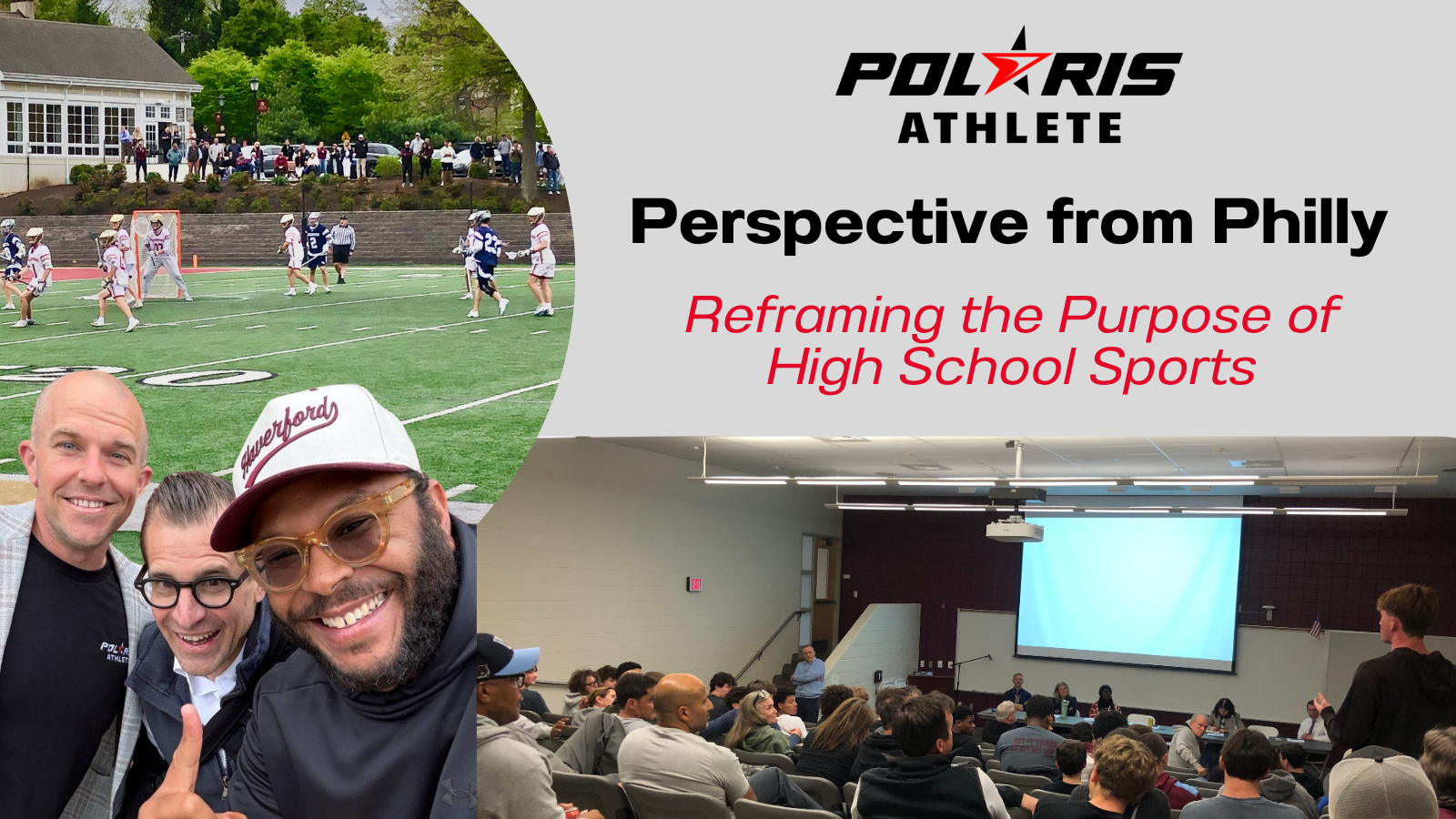
From L to R: Jeff Hiser, Chris Boehm of Archmere Academy, & Jeremy Branch of The Haverford School
It was an energizing and productive few days in Philadelphia for the Counselor Roundtable at Swarthmore College. Ian Harkness and I had the opportunity to lead a conversation centered on NIL education and the evolving role of the college counselor. No longer an emerging topic, integrating NIL education into college counseling is essential for preparing future-ready student-athletes. And to take it one step further, I’ll call it what it is: a modern framework for career-connected learning. Done well, it doesn’t distract from academics or athletics; it serves as a launch pad that aligns interests, strengths, and values with future aspirations.
For today’s post, I’m stepping away from the NIL education lens to share a few perspectives from Philadelphia. More specifically, this moment highlights the importance of reframing uncertainty and challenge as opportunity for transformation.
There was a noticeable energy throughout the Counselor Roundtable. With 80 local counselors in attendance, the day was grounded in thoughtful conversation, idea sharing, and professional alignment. At the same time, anticipation quietly built around one of the region’s most storied rivalries. Malvern vs. Haverford in men’s lacrosse.
Not your typical counselor program dynamic. But when nearly 20 percent of the USA Lacrosse National Top 25 teams are represented, the stakes are real. Playoff implications, bragging rights, and deep-rooted school pride all in play.
The game delivered. Intensity, pride, and tradition on full display. Exactly what you hope for when a rivalry carries real meaning for a community. And Ian’s guys came out on top. Sorry Jeremy!
Following the game and a quick stop in Lower Merion for dinner, I attended a community meeting focused on the future of their high school football program. I went to listen. To understand. What’s happening at Lower Merion High School is not isolated. It reflects a broader shift happening across the country. The student-athlete experience is changing.
Participation numbers are declining in some sports while growing rapidly in others. Families are increasingly prioritizing club programs and year-round development pathways. Specialization is replacing the multi-sport model that once defined high school athletics. In sports like football, lower participation creates real safety concerns. Students are being asked to compete at the varsity level before they are physically or mentally ready. And these are not easy realities for any of the stakeholders.
I have seen similar challenges unfold in my own hometown in Vermont. Programs merged. Communities reached beyond their own student body. Eventually, the decision was made to pause a varsity program in order to rebuild from the youth level up. It is not ideal, but it is intentional. It is a long game and that is the tension.
There is no perfect solution. Only thoughtful decisions made in real time, often under scrutiny. Pride runs deep in these conversations. It shows up in alumni, families, coaches, and community members. Each brings a different perspective shaped by their own experiences.
This conversation is bigger than one program. Bigger than one school. Bigger than football and it forces us to return to a fundamental question:
What is the true purpose of high school athletics?
It is not just about preserving a logo, a rivalry, or even a winning record. Those things matter. But they are not the mission.
At their best, school-based athletic programs exist to develop young people in ways the classroom alone cannot. We know this. For those of us involved in any sort of extracurricular activity, that’s exactly why we do what we do.
When students stand up in a community meeting and advocate for something they believe in, they are already demonstrating the very outcome the system is designed to produce.
I hope the Lower Merion community takes pride in that. Not just in the history of the program, but in the way its students are showing up at this moment. Engaged. Thoughtful. Willing to ask hard questions and wrestle with complexities together. Regardless of the path forward, that foundation will continue to serve their student-athletes well.
As the landscape continues to evolve through NIL, specialization, and shifting priorities, we have an opportunity to stay grounded in that purpose. When we keep development and the bigger picture at the center, even the hardest decisions become clearer.